Medigrace Hospital and Inaaya IVF are among the leading hospitals in Central India for infertility, laparoscopy, and women’s care. A trusted IVF centre in Nagpur, specializing in infertility treatment, laparoscopy, OB/GYN, and PCOS/PCOD treatment.
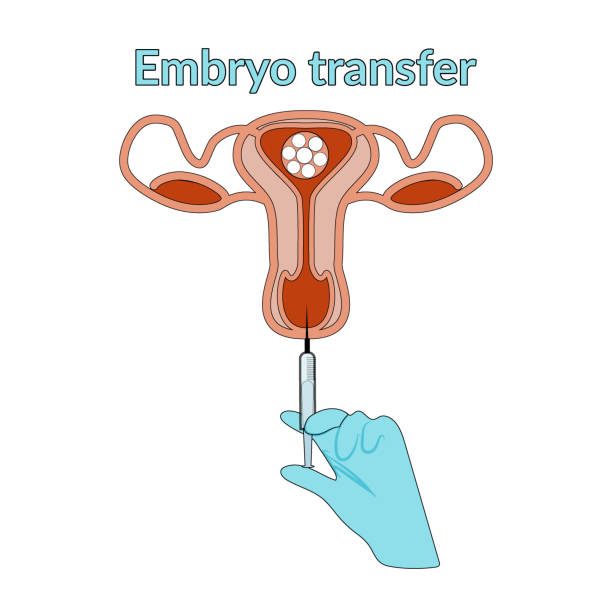
IVF embryo transfer is the final step before the good news. After the eggs are fertilised, the resulting embryo is carefully transferred into the woman’s uterus so it can grow into a healthy baby. This process is painless and is performed using a thin catheter inserted through the cervix. The procedure takes about 10 to 15 minutes. Embryo transfer can be done either on day 3, when the embryo is at the cleavage stage, or on day 5, when it has reached the blastocyst stage.
After the embryo transfer, a woman should avoid alcohol, smoking, and high-stress activities. The success of IVF embryo transfer depends on embryo quality, uterine lining, and timing. It is also important to carefully follow the post-transfer instructions provided by your gynaecologist to improve the chances of implantation.
Types of IVF Embryo Transfer
There are two main types of embryo transfer in IVF treatment: fresh embryo transfer and frozen embryo transfer. The other types of transfer also depend on the embryo’s developmental stage and the number of embryos being transferred.
Let’s explore the different types of embryo transfer in detail:
Embryo Transfer based on timing
Fresh Embryo Transfer: The embryo is transferred into the uterus 3–5 days after fertilisation. This method is faster and does not require freezing. However, it may be a concern if hormone levels from stimulation are high, as this can make the uterine lining less receptive and decrease the chances of embryo implantation.
Frozen Embryo Transfer: In this IVF embryo transferapproach, embryos are frozen during a previous cycle and transferred in a later cycle, allowing a more optimal timing for the individual. This helps the uterus to be better prepared and decreases the risk of ovarian hyperstimulation. However, it requires freezing and thawing, which can cause a slight delay in the treatment.
Embryo Transfer based on Development Stage
Cleavage Stage(Day 3): On the third day after fertilisation, embryos are transferred when they have 6 to 8 cells. This approach allows for transferring multiple embryos and requires less culture time, but it may have a lower implantation rate compared to a day-5 transfer.
Blastocyst Stage (Day 5): At this IVF embryo transfer stage, embryos are numerous, which increases the chances of implantation and makes it easier to select the best embryo. However, not every embryo reaches the blastocyst stage in the lab.
Embryo transfer based on the number of embryos
Single Embryo Transfer: Only one embryo is transferred to reduce the risk of multiple pregnancies. This is often recommended for women who are younger or when the embryo is of high quality.
Multiple Embryo Transfer: Two or more embryos may be transferred if the woman has experienced previous failed cycles, is above 35–40 years of age, or if the embryo quality is lower. However, in some cases, this increases the chances of twins or multiple pregnancies.
IVF Embryo Transfer Step by Step
IVF embryo transfer is done in about 15 minutes, but the entire process involves three main stages: preparing the uterus, selecting the embryos, and finally transferring them.
Here’s how embryo transfer is done, step by step:
Preparation:
The bladder is full. You are asked to drink enough water to ensure the uterus is clearly visible.
Choosing the Embryo:
This is done before transferring the embryo. The embryos are assessed in the lab for quality and development, and the best ones are selected for transfer.
Transfer process:
It starts with your preparation.
The doctor uses a pelvic ultrasound to visualise your uterus.
A thin catheter containing the embryo is passed through your cervix into the uterus.
In the fourth step, the embryo is carefully placed in the uterine lining.
After IVF Embryo Transfer
After the embryo transfer, take time to rest. You can gradually return to your normal life, but continue taking the hormonal support medications as prescribed by your doctor. Avoid alcohol, smoking, and other high-stress activities. Rest is important, but avoiding complete inactivity includes minimal, gentle activities to support positive results.
Conclusion
IVF embryo transfer is a quick, painless, and crucial step in the IVF journey. Its success depends on factors like timing, embryo quality, a healthy uterine lining, your gynaecologist’s expertise, and more. Consult at Medigrace Hospital, which offers the best gynaecologist in Nagpur, and it is the best IVF centre in Nagpur to increase your chances of IVF treatment success from the very first attempt.
IVF Embryo transfer is 80% in women under age 30, chances are 50% if the woman is over 35 years old, 30% if the woman’s age is over 35 and 15% if she’s over 40. So, the success of embryo transfer is based on the age of the woman.
The best time to transfer embryos in IVF is Day 5 blastocyst transfer because it matches the natural uterine environment better and usually improves implantation rates.